The top anger management activities that I recommend as an evidence-based parent coach and therapist
Parents often come to me worried about their child’s anger. Maybe their child explodes during transitions, hits a sibling during conflict, or shuts down after frustration. These moments can feel overwhelming for parents, especially when they repeat day after day.
I’m Michelle Holdeman, founder of New Connections Mental Health Group Practice and a registered play therapist. At child and family counseling I support children and families navigating challenges such as anxiety, ADHD, emotional regulation struggles, trauma, and behavioral concerns. In addition to therapy for children, I also work with parents through parent coaching where we build practical strategies for emotional regulation, communication, and calmer family dynamics.
In this guide, I will walk you through anger management activities that help children understand their emotions, calm their bodies, and respond to frustration in healthier ways.
What is anger and why do kids struggle with it?
Anger and frustration are normal emotions for children, but learning how to express those feelings in healthy ways is an important developmental skill. A national survey conducted by the C.S. Mott Children’s Hospital National Poll on Children’s Health asked parents of children ages 6 to 12 how they help their children manage anger and frustration.
The results showed that many parents feel somewhat confident supporting their child’s emotional regulation. About 28% of parents strongly agreed, and 63% somewhat agreed, that they know how to help their child manage anger. At the same time, many parents also recognize that they do not always model the best strategies themselves. In fact, 16% strongly agreed and 54% somewhat agreed that they sometimes set a poor example when it comes to managing anger.
When children do not yet have the tools to process big emotions, those feelings often come out through behavior. That behavior might look like yelling, crying, hitting, throwing objects, or refusing to cooperate.
Rather than viewing these moments as misbehavior alone, it can be helpful to see them as communication. A child’s anger is often signaling that something underneath the surface needs support.
Helping children manage anger means teaching them skills, not simply trying to stop the behavior.
What is healthy anger and what is not?
Anger itself is not the problem. Every child will feel angry sometimes. The goal is not to eliminate anger but to help children express it safely.
Healthy anger means a child can recognize the feeling and communicate it in ways that do not harm others. This might include saying they feel frustrated, asking for help, or taking space to calm down.
Unhealthy anger appears when the emotion leads to unsafe behaviors. Hitting, breaking objects, screaming insults, or hurting siblings are examples of behaviors that require clear limits.
Parents can hold two truths at the same time: the child’s feelings are valid, and certain behaviors are not allowed.
When children learn this balance, they develop emotional regulation rather than fear of their own emotions.
What types of anger triggers do kids commonly experience?
Many anger outbursts are triggered by everyday situations that overwhelm a child’s nervous system.
Common triggers include transitions such as leaving the playground, stopping screen time, or starting homework. Fatigue, hunger, and overstimulation can also make emotional reactions stronger.
Sibling conflicts are another frequent trigger. Children often struggle with fairness, sharing, and frustration during play.
Understanding a child’s triggers helps parents respond with more empathy and prepare strategies before situations escalate.
How do I teach anger management skills so they actually stick?
Children learn emotional regulation the same way they learn any other skill: through practice.
Skills should be introduced during calm moments rather than during emotional meltdowns. Regular practice helps the child remember the strategies when emotions rise.
Parents can also model emotional regulation by naming their own feelings and demonstrating healthy coping strategies.
Over time, children internalize these skills and begin using them independently.
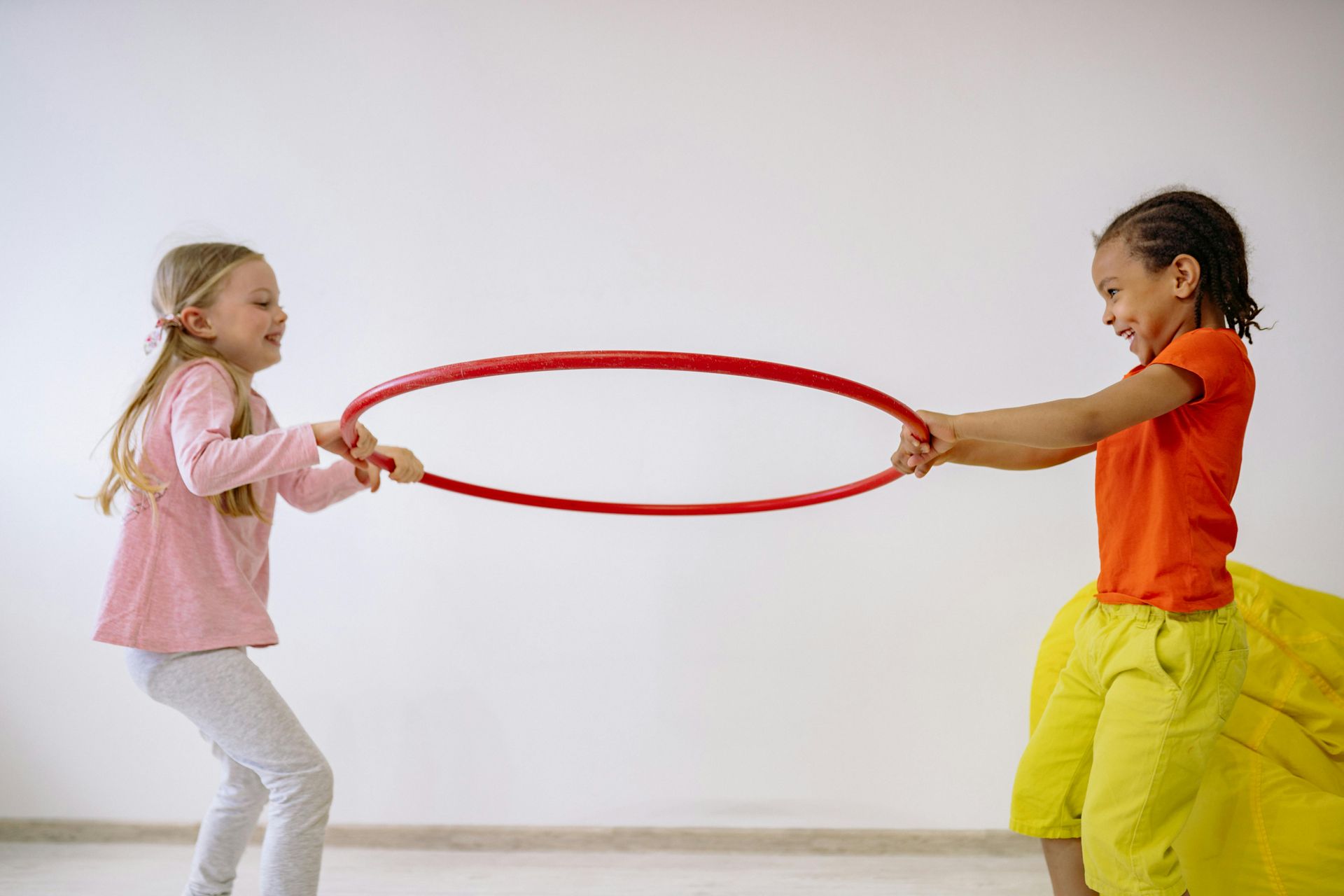
Anger management activities for kids
Activities help children learn emotional skills in a playful and engaging way. When practiced regularly, these tools help children recognize feelings and calm their bodies before anger escalates.
The anger iceberg activity
This activity helps children understand that anger is often the emotion we see on the surface, while other feelings sit underneath.
Draw an iceberg and explain that anger is the visible tip. Underneath might be sadness, embarrassment, jealousy, or worry. Talking through these deeper emotions helps children develop emotional awareness.
The anger volcano
Children sometimes experience anger like a volcano building pressure before erupting. Drawing or modeling a volcano helps children identify early warning signs before their emotions explode.
Parents can ask questions such as “What does your body feel like before the volcano erupts?”
Recognizing those signals allows children to intervene earlier.
Feelings charades
In this activity, children act out different emotions while others guess the feeling. This game strengthens emotional vocabulary and helps children recognize emotions in themselves and others.
What would you do scenarios
Parents can create simple role play situations such as losing a game, having a toy taken away, or being told no.
Together, parents and children can practice possible responses. These conversations help children prepare for real situations.
Repair practice
After an angry moment, children often feel shame or confusion. Teaching repair skills helps rebuild connection.
Children can practice saying “I’m sorry I hit you. I was really mad. Next time I will ask for help.”
Repair teaches accountability and emotional growth.
Coping skills that help kids calm down fast
When a child is already upset, they need tools that help their body return to a calmer state.
Breathing exercises for children
Breathing exercises can slow the body’s stress response. Simple techniques like “take five breaths” or blowing imaginary bubbles can help children regulate their nervous system.
Creating a calm down corner
A calm down space is a safe place where children can go when emotions become overwhelming. This space might include soft pillows, sensory toys, drawing materials, or calming visuals.
The goal is not punishment but regulation.
Movement and sensory resets
Physical activity helps release emotional tension. Activities like wall pushes, jumping jacks, stretching, or taking a short walk can reset the body after anger builds.
The anger thermometer: helping kids catch anger early
An anger thermometer helps children understand the different levels of anger before it reaches an explosion.
The bottom level represents calm feelings. The middle level represents frustration or irritation. The top level represents explosive anger.
Children can practice identifying where they are on the thermometer and choosing coping skills that match their emotional level.
For example, mild frustration might need a break, while stronger anger might require breathing or physical movement.
What if my child’s anger includes hitting or aggressive behavior?
Some children express anger through aggressive behaviors such as hitting, kicking, or throwing objects. In these moments, safety becomes the priority.
Parents should first focus on calming the situation. Speaking slowly, lowering their voice, and creating physical space can help prevent escalation.
Once the child is calm, boundaries should be clearly communicated. For example, “I will not let you hit. Hitting hurts people.”
Later, when everyone is regulated, parents can help the child practice alternative responses for future situations.
Before we finish, I want to answer some of the most common questions parents ask about anger in children. The next section summarizes the key ideas from this article so you can quickly review them or even take a screenshot for later.

Is anger normal for kids?
Yes. Anger is a normal emotion for children just as it is for adults. The goal is not to eliminate anger but to help children express it safely.
What is the fastest way to calm an angry child?
Helping a child regulate their body is often the fastest path to calm. Breathing exercises, sensory activities, or movement can help the nervous system settle before discussing the problem.
Should parents ignore tantrums?
Ignoring emotions can make children feel misunderstood. Instead, parents can acknowledge the feeling while still holding boundaries around unsafe behavior.
Why does my child only explode at home?
Children often release their biggest emotions in the environments where they feel safest. Home is frequently where children feel most secure expressing difficult feelings.
When should parents seek professional help for anger?
If anger regularly leads to aggression, destruction of property, intense meltdowns, or disruptions at school, professional guidance can help families develop healthier coping strategies.
If your family is struggling with anger, you do not have to navigate it alone.
Parenting can feel overwhelming when emotional meltdowns and conflicts become part of daily life. Through therapy, parent coaching, and structured programs like Child Parent Relationship Training, families learn tools that transform conflict into connection.
If you would like support in helping your child manage anger and build emotional resilience, you can
schedule a consultation
today.

Hi! I'm Michelle Holdeman
Licensed clinical social worker and founder of our group therapy practice for kids and teens
I help overwhelmed parents, sensitive kids, and emotionally intense teens move from daily meltdowns to deeper connection—using play-based, trauma-informed therapy that truly works. At New Connections Mental Health, we create space for healing, growth, and lasting change—one session, one family, one feeling at a time.