30 play-based emotional regulation activities for toddlers backed by neuroscience and expert play therapist

July 8, 2026

Toddlers experience emotions with incredible intensity. A small frustration, like a toy not working or a parent saying no, can quickly turn into a meltdown. This happens because the parts of the brain responsible for emotional regulation are still developing.

Early childhood is a critical time for building the emotional pathways that help children manage frustration, express feelings, and recover from stress. Neuroscience shows that children learn these skills through repetition, connection, and play.


Play is not just entertainment for toddlers. It is how their brains process experiences and develop emotional regulation skills.


I’m Michelle Holdeman, founder of New Connections Mental Health Group Practice and a registered play therapist.  I work with families to help young children build emotional skills through play-based therapy and parent coaching. Supporting toddlers during these early years can make a powerful difference in their long-term emotional development.


In this guide, you will find 30 play-based emotional regulation activities for toddlers, organized by different emotional skills children need to develop.


Emotional regulation activities for recognizing feelings

Before toddlers can regulate emotions, they first need to learn how to recognize what they are feeling.


1. Emotion mirror game

Sit with your toddler in front of a mirror and take turns making facial expressions such as happy, sad, or surprised.


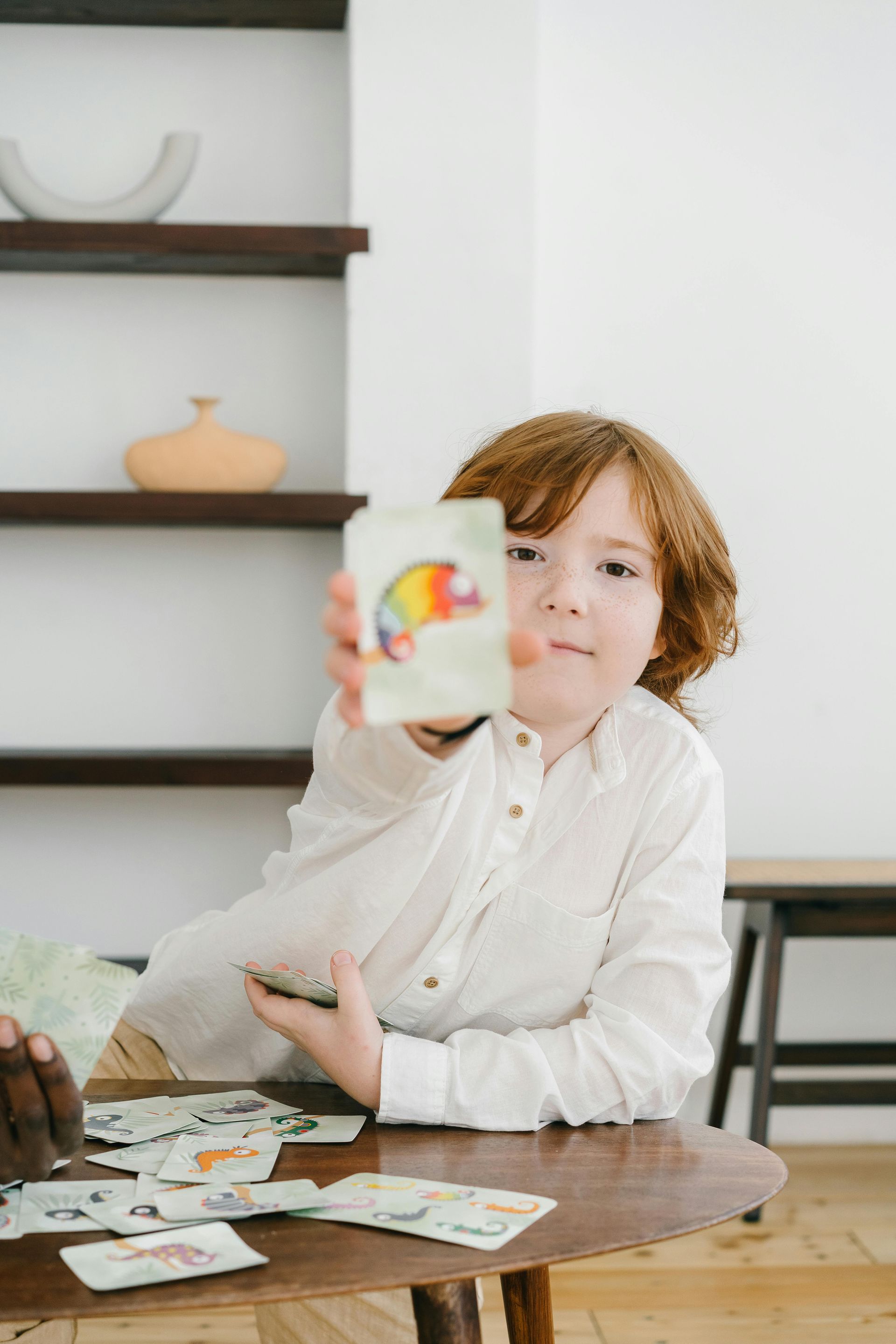
2. Feelings flashcards

Show simple emotion cards and ask your child to point to how they feel.


3. Guess the feeling game

Make a face and ask your toddler to guess the emotion.


4. Storytime emotion spotting

Pause during a story and ask your child how the characters might be feeling.


5. Emotion matching game

Match facial expressions on cards or toys.


6. Feelings sticker board

Let toddlers place stickers next to pictures that show different emotions.

emotional activities for toddlers

Play activities that help toddlers express emotions safely

Toddlers often feel emotions before they can talk about them. These activities give them ways to express feelings through play.


7. Draw your feelings

Offer crayons and ask your toddler to draw how they feel.


8. Playdough emotion faces

Create faces using playdough to represent different emotions.


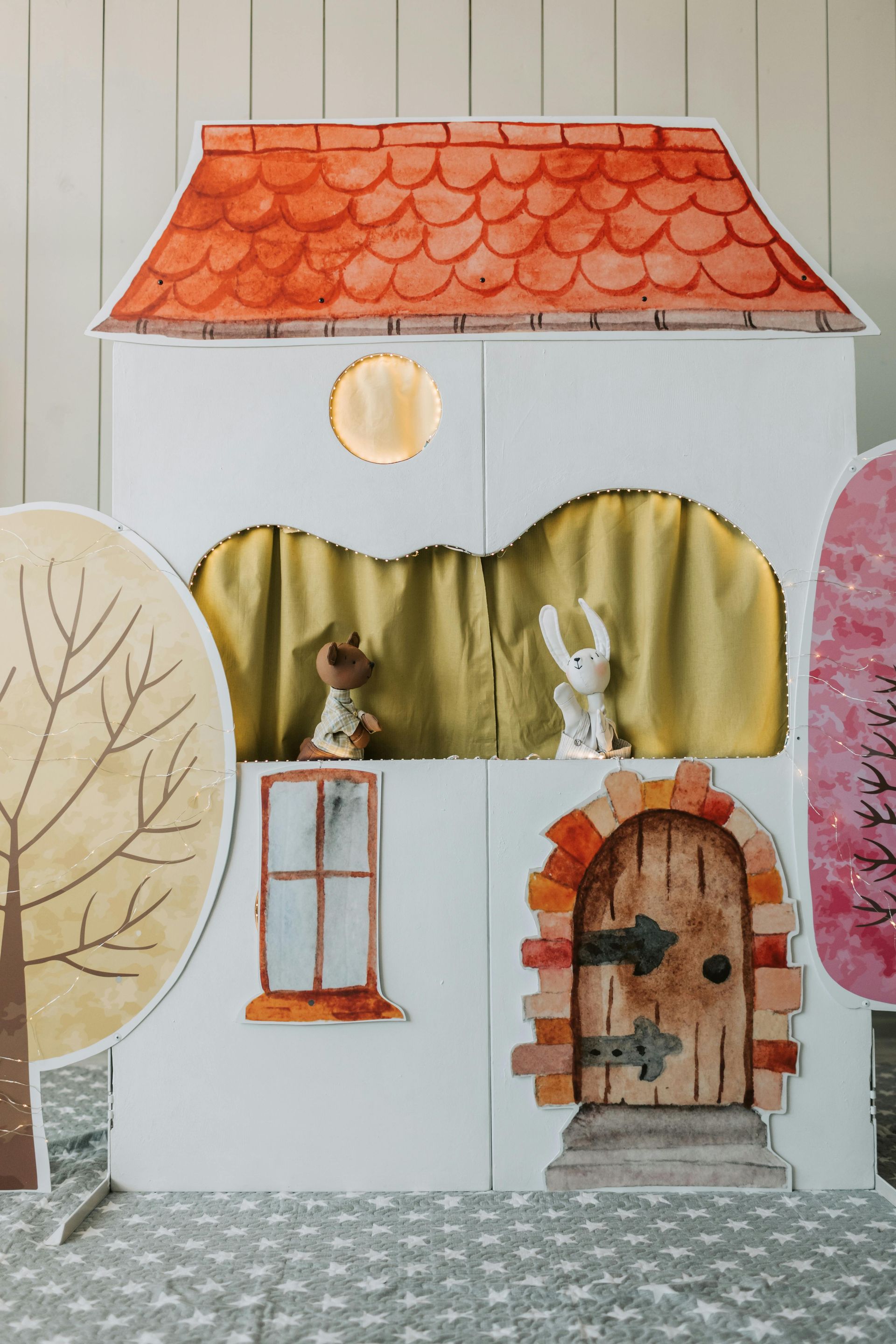
9. Feelings puppet show

Use puppets to act out different emotional situations.


10. Emotion charades

Act out simple emotions and encourage toddlers to copy them.


11. Feelings dance party

Play music and encourage toddlers to move their bodies in ways that match different emotions.


12. Emotion storytelling

Create simple stories together about characters experiencing feelings.

Calming activities that help toddlers regulate big emotions


When toddlers feel overwhelmed, calming activities can help their nervous system return to a regulated state.


13. Bubble breathing

Pretend to blow bubbles slowly to practice deep breathing.


14. Calm down jar

Watch glitter settle in a jar to practice calming down.


15. Toddler yoga

Simple poses help toddlers release tension.


16. Deep pressure hugs

Gentle squeezes can help regulate the nervous system.


17. Quiet corner time

Create a calm space with pillows, books, or soft toys.


18. Sensory play bins

Rice, sand, or water play can soothe overwhelmed toddlers.

Activities that help toddlers manage frustration and anger

Strong emotions like anger are common for toddlers who are learning how to navigate the world.


19. Stomp it out game

Encourage toddlers to stomp their feet to release frustration.


20. Pillow push activity

Push a pillow against the wall to release energy safely.


21. Slow counting game

Practice counting slowly when frustration rises.


22. Stretch and reach

Stretch arms and bodies to release tension.


23. Safe throwing basket

Throw soft balls into a basket as an outlet for strong feelings.


24. Emotion obstacle course

Create a small course that allows movement and energy release.


If your child struggles frequently with frustration or anger, you may also find our guide on anger management activities for kids helpful.

Empathy and social emotional activities for toddlers

Empathy is another key emotional skill that develops through play and connection.


25. Caring for stuffed animals

Encourage toddlers to comfort a toy that is “sad.”


26. Kindness role play

Practice helping a friend during pretend play.


27. Sharing games

Take turns with toys to practice patience.


28. Thank you moments

Practice saying thank you during play.


29. Helping game

Invite toddlers to help with simple tasks like putting toys away.


30. Family feelings check in

At the end of the day, talk together about one feeling everyone experienced.


Before we finish, I want to answer some of the most common questions parents ask about toddler emotions so you can easily review them or take a screenshot for later.

How do toddlers learn emotional regulation?

Toddlers learn emotional regulation through repeated experiences with caregivers who help them recognize feelings and practice calming strategies.


What emotional activities are best for toddlers?

Activities that involve play, movement, and emotional expression tend to work best because they match how toddlers naturally learn.


At what age do toddlers understand emotions?

Children begin recognizing basic emotions during the toddler years, though emotional understanding continues developing throughout childhood.


How can parents teach emotional skills at home?

Parents can teach emotional skills by naming feelings, modeling regulation strategies, and practicing emotional activities through play.


When should parents seek help for emotional struggles?

If tantrums are severe, frequent, or involve aggressive behavior, professional guidance can help families develop strategies that support emotional growth.


Helping toddlers build emotional skills through play

Supporting a toddler’s emotional development does not require complicated strategies or perfect parenting. What matters most is consistent connection, patience, and opportunities for children to explore emotions in safe and supportive ways.


Play-based activities give toddlers the chance to practice emotional skills while feeling understood and connected to the adults around them. Over time, these small everyday experiences help children learn how to recognize feelings, calm their bodies, and respond to challenges more confidently.


If your child struggles with big emotions or frequent tantrums, you do not have to navigate those challenges alone. With the right guidance and tools, families can create calmer routines and stronger relationships that support healthy emotional development.


I support families through therapy, parent coaching, and programs like Child Parent Relationship Training, which help parents build connections while teaching children the emotional skills they need to thrive.

Smiling person sitting on a log in a grassy park, wearing a tan jacket and jeans, with decorative star stickers around the photo

Hi! I'm Michelle Holdeman

Licensed clinical social worker and founder of our group therapy practice for kids and teens


I help overwhelmed parents, sensitive kids, and emotionally intense teens move from daily meltdowns to deeper connection—using play-based, trauma-informed therapy that truly works. At New Connections Mental Health, we create space for healing, growth, and lasting change—one session, one family, one feeling at a time.

Stack of colorful brochures with text, including a white leaflet on top and purple and maroon covers underneath.
emotions for kids
June 24, 2026
A therapist’s guide to emotions for kids. Learn how children understand feelings, emotional regulation skills, and activities that build emotional intelligence.
anger management activities for kids
May 21, 2026
Anger management activities for kids that teach coping skills, calming tools, and emotional regulation strategies to reduce meltdowns and build resilience.
setting boundaries for children
April 10, 2026
Learn how to set healthy boundaries for children with scripts, age specific guidance, and parenting tools that reduce power struggles at home.
ADHD in children
February 12, 2026
Learn how to recognize ADHD in children, what symptoms look like by age, and how play therapy helps kids develop focus, confidence, and emotional balance.
Child reaching for an adult’s hand on a bed, with a soft, warm indoor background
January 8, 2026
Understand what toddler meltdowns are really telling you, why they’re normal, and how play therapy helps kids and parents manage emotions with confidence.