Emotions for kids: helping children understand and express their feelings

June 24, 2026

Children experience a wide range of emotions every day. They feel excitement when something goes well, frustration when things do not go their way, sadness when they feel misunderstood, and anger when something feels unfair. These emotions are a natural and healthy part of development.


The challenge is that children are still learning how to recognize what they are feeling and how to respond in healthy ways. When a child does not yet have the words or tools to express those emotions, their feelings often come out through behavior. This might look like crying, yelling, refusing to cooperate, or becoming physically aggressive.

I’m Michelle Holdeman, founder of New Connections Mental Health Group Practice and a registered play therapist. I support children and families who are navigating emotional challenges such as anxiety, behavioral struggles, trauma, ADHD, and emotional regulation difficulties. In addition to play-therapy for children, I also work with parents through online parent coaching, where we focus on practical strategies that help children build emotional skills while reducing daily power struggles at home.

Helping children understand their emotions is one of the most powerful ways parents can support their child’s long-term emotional health.


What are emotions and why do children need to learn them?

Emotions are signals that tell us something about our experiences and needs. They help us understand when something feels good, when something feels unfair, or when something feels scary.


For children, learning about emotions is an essential life skill. Emotional awareness helps children communicate their needs, build relationships, and regulate their behavior.

When children can identify what they are feeling, they are much more likely to respond calmly instead of reacting impulsively.


This is why teaching emotional vocabulary and emotional regulation is so important during childhood.


What emotions should kids learn first?

Young children begin learning emotions by recognizing a few basic feelings. These foundational emotions form the building blocks for emotional intelligence.


Children usually start by learning to identify feelings such as happiness, sadness, anger, fear, and surprise. These emotions are easier for children to recognize because they are often expressed through clear facial expressions and body language.


As children grow, they begin learning more complex emotions such as disappointment, embarrassment, jealousy, and frustration.


Expanding emotional vocabulary helps children move beyond simply saying they are “mad” or “sad.” Instead, they can begin describing their experiences in more specific ways, which helps adults respond more effectively.

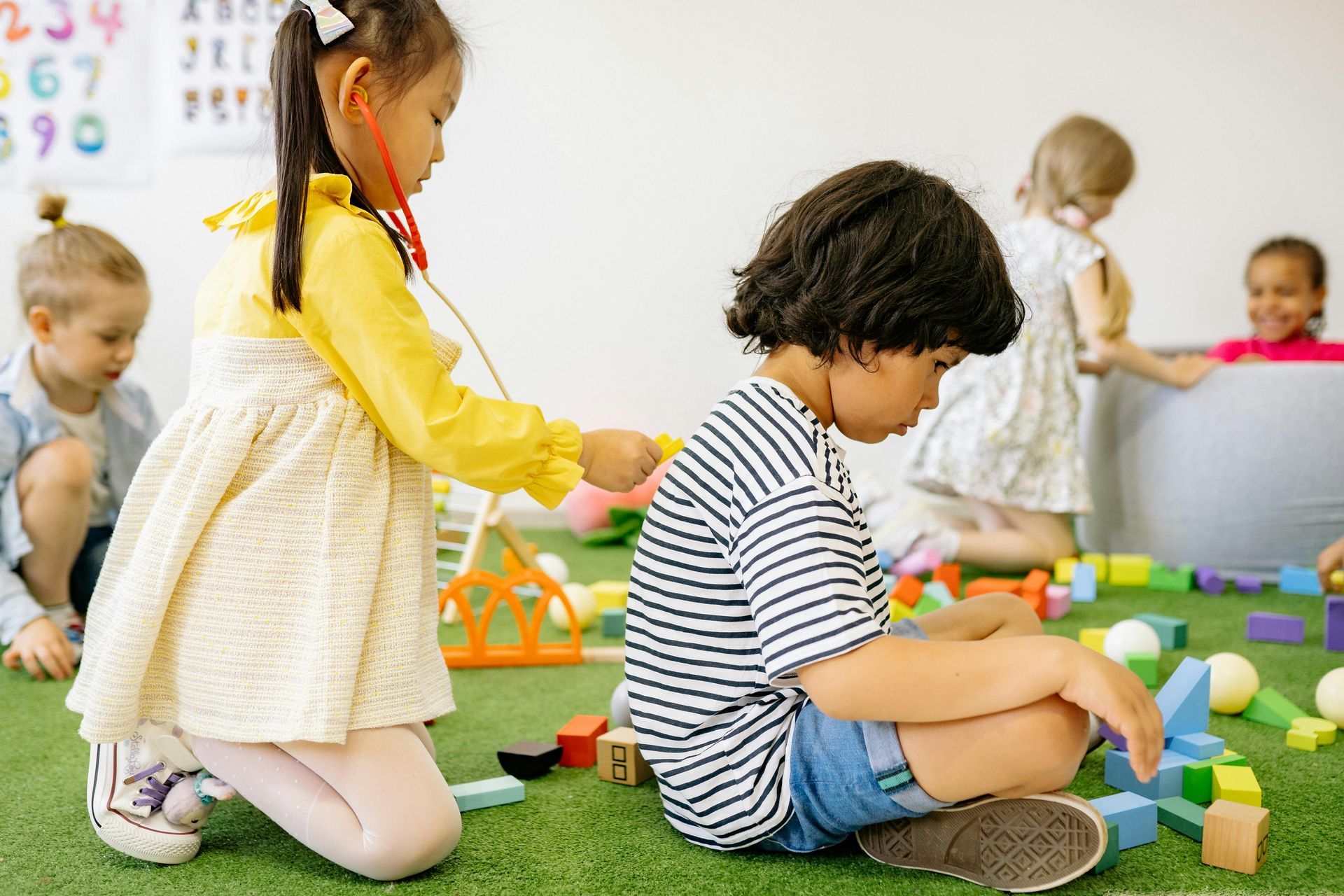
 emotions for kids

How do children learn to recognize emotions?

Children learn about emotions through everyday interactions with caregivers. When parents talk openly about feelings and help children name what they are experiencing, children begin to build emotional awareness.


For example, when a child becomes frustrated, a parent might say, “It looks like you are feeling really frustrated because that was hard.” This type of language helps children connect their internal experience with the words that describe it.


Children also learn emotions by observing others. Facial expressions, tone of voice, and body language all provide clues that help children understand how emotions work.


Over time, these experiences help children develop the ability to recognize emotions both in themselves and in others.


Emotions activities for kids

Activities can help children learn about emotions in a playful and engaging way. These exercises allow children to explore feelings without pressure while building important emotional skills.


Feelings chart activity

A feelings chart helps children visually identify different emotions. Children can point to the picture or word that best describes how they are feeling at the moment.

This activity encourages children to pause and reflect on their emotions rather than reacting immediately.


Emotion charades

Emotion charades is a simple game where children act out different feelings while others guess the emotion being expressed.

This activity helps children connect facial expressions, body language, and emotional words.


Drawing feelings

Art can be a powerful way for children to express emotions that feel difficult to talk about. Children can draw pictures of situations that made them happy, frustrated, or worried.


Discussing the drawing afterward can help children process their experiences.


Story-based emotion learning

Stories provide opportunities to talk about how characters might be feeling. Parents can pause during a story and ask questions such as “How do you think that character feels right now?”


These conversations help children build empathy and emotional understanding.

Emotional regulation skills for children

Recognizing emotions is only the first step. Children also need tools that help them manage those feelings in healthy ways.


Emotional regulation skills allow children to calm their bodies, think more clearly, and respond to challenges with greater control.


Some helpful skills include breathing exercises, taking a short break, using sensory tools, or talking through the problem with a trusted adult. Practicing these strategies during calm moments helps children remember them when emotions become intense.


When emotions become so overwhelming that children react with anger, yelling, or emotional meltdowns. This does not mean the child is “bad” or intentionally misbehaving. Often it means their emotional system has become overloaded.


If your child frequently struggles with intense frustration or anger outbursts, you may find it helpful to explore anger management activities for kids, which provide practical strategies for helping children calm their bodies and process strong emotions.


Teaching children what to do with anger is a key part of emotional development.


Why do boundaries help children manage emotions?

Children feel safer when the adults around them provide clear and consistent boundaries. Boundaries help children understand what behaviors are acceptable while still allowing them to express their emotions.


For example, a child may be allowed to feel angry, but hitting others is not allowed. This distinction helps children learn that emotions are valid while certain behaviors must be guided.


If you would like to explore this concept more deeply, you can read our guide on setting healthy boundaries for children, which explains how boundaries help reduce power struggles while supporting emotional growth.

How parents can coach emotional skills at home

Parents play an important role in helping children build emotional skills. One helpful approach is called emotion coaching.


Emotion coaching begins with acknowledging the child’s feelings. When parents validate emotions instead of dismissing them, children feel understood and supported.

Next, parents can help children identify coping strategies that allow them to calm down and think through solutions.


Finally, parents can guide children in problem solving once the emotion has passed. These conversations help children develop confidence in managing their feelings over time.


Before we finish, I want to answer some of the most common questions parents ask about emotions in children. The next section summarizes the key ideas from this article so you can quickly review them or even take a screenshot for later.


How do you explain emotions to a child?

The best way to explain emotions to a child is by using simple language and real life examples. Parents can name emotions as they happen and connect those feelings to situations the child understands.


At what age do children understand emotions?

Children begin recognizing basic emotions during early childhood. As they grow, their emotional understanding becomes more complex and they begin learning how to regulate their feelings.


What helps children regulate big emotions?

Strategies such as breathing exercises, sensory tools, taking breaks, and talking with supportive adults can help children calm their bodies and manage intense emotions.


When should parents seek professional help for emotional struggles?

If a child frequently experiences intense meltdowns, aggressive behavior, or emotional difficulties that interfere with daily life, professional guidance can help families develop healthier coping strategies.


Supporting your child’s emotional development

Helping children understand emotions is one of the most valuable skills parents can teach. When children learn to recognize feelings, calm their bodies, and communicate their needs, they develop the foundation for lifelong emotional health.


If you would like guidance in helping your child develop emotional regulation skills, you can learn more about our services or explore the Child Parent Relationship Training program designed to strengthen connection between parents and children.

Smiling person sitting on a log in a grassy park, wearing a tan jacket and jeans, with decorative star stickers around the photo

Hi! I'm Michelle Holdeman

Licensed clinical social worker and founder of our group therapy practice for kids and teens


I help overwhelmed parents, sensitive kids, and emotionally intense teens move from daily meltdowns to deeper connection—using play-based, trauma-informed therapy that truly works. At New Connections Mental Health, we create space for healing, growth, and lasting change—one session, one family, one feeling at a time.

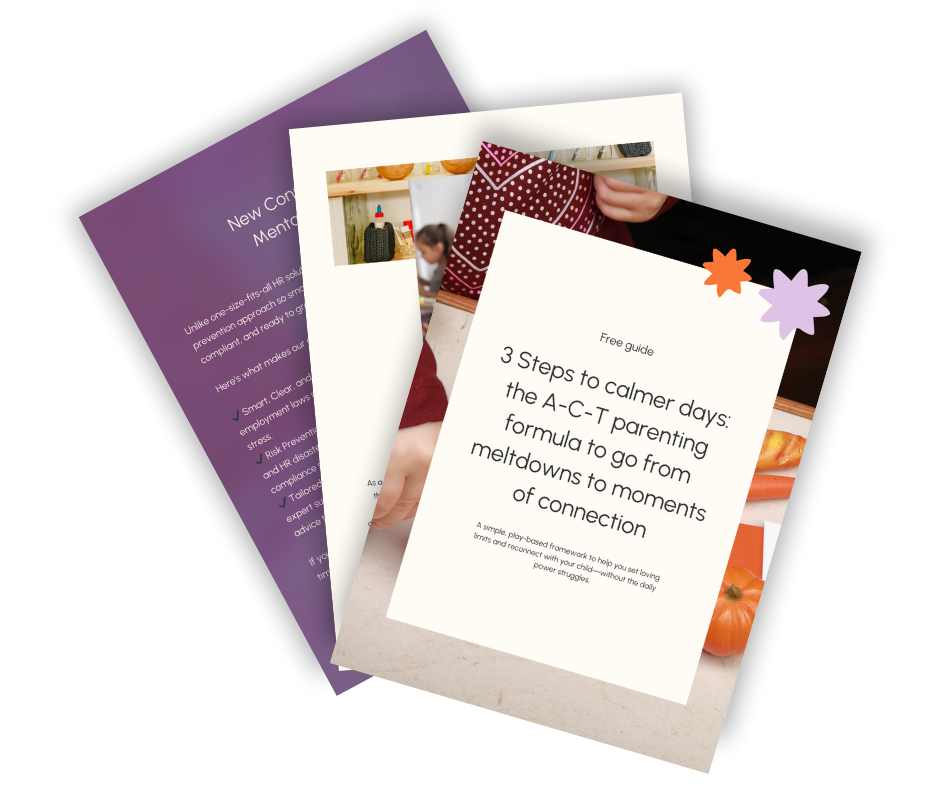
Stack of colorful brochures with text, including a white leaflet on top and purple and maroon covers underneath.
anger management activities for kids
May 21, 2026
Anger management activities for kids that teach coping skills, calming tools, and emotional regulation strategies to reduce meltdowns and build resilience.
setting boundaries for children
April 10, 2026
Learn how to set healthy boundaries for children with scripts, age specific guidance, and parenting tools that reduce power struggles at home.
ADHD in children
February 12, 2026
Learn how to recognize ADHD in children, what symptoms look like by age, and how play therapy helps kids develop focus, confidence, and emotional balance.
Child reaching for an adult’s hand on a bed, with a soft, warm indoor background
January 8, 2026
Understand what toddler meltdowns are really telling you, why they’re normal, and how play therapy helps kids and parents manage emotions with confidence.