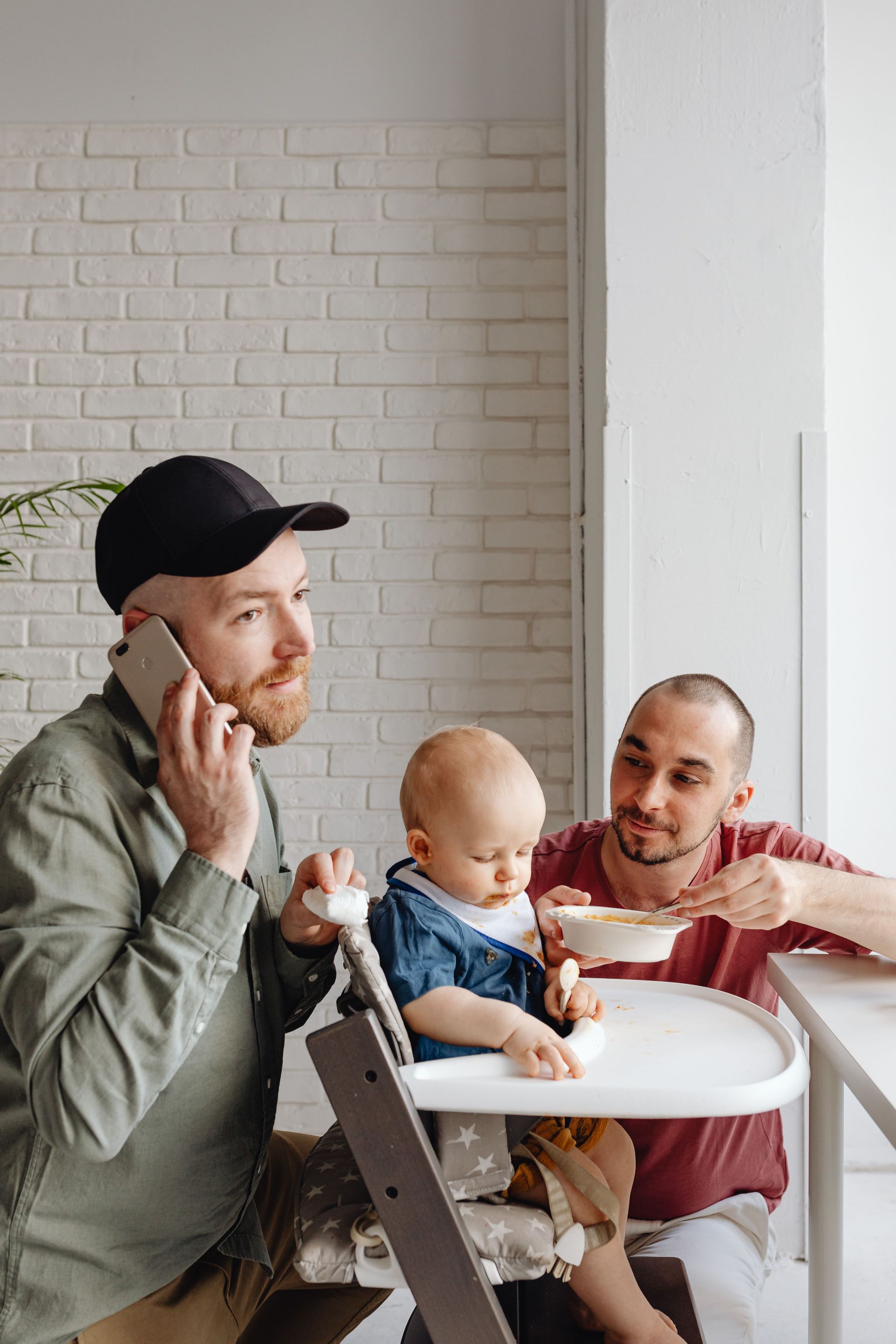
What is playful parenting, and how can it help your family navigate big emotions?
Play is the very first language your child ever learns, and they are often still speaking it fluently long after they have words for everything else. Playful parenting is a way of meeting kids in that language instead of asking them to leave it at the door. Rather than only correcting behavior after it happens, playful parenting uses connection, humor, and shared play to help children process big feelings before those feelings turn into a meltdown in the cereal aisle. If you have ever wondered whether there is a gentler, more effective way to reach a strong willed five year old, this approach might be exactly what your family has been missing. In this guide, we will walk through what playful parenting actually looks like day to day, how it supports emotional regulation, and what to do when it does not seem to be working the way the books promised.
In case you are new here, we are New Connections Mental Health, a team of therapists founded by Michelle Holdeman offering online parenting classes and family therapy for parents who are exhausted by the daily push and pull of raising kids. We work with families across western Kansas who are tired of feeling like they are constantly reacting instead of understanding what is really going on underneath the behavior. Whether your child is melting down over a broken cracker or shutting down after a hard day, we help you find language, and yes, playfulness, that actually reaches them.
What is playful parenting?
Playful parenting is an approach that uses play, silliness, and shared laughter as tools for connection rather than treating play as something separate from the "real work" of raising a child. It grew out of the recognition that children do not process the world the way adults do. A child cannot always tell you they feel small, scared, or overwhelmed, but they can show you through a game, a story, or a wrestling match on the living room floor. When a parent steps into that world instead of standing outside it giving instructions, something shifts. The child feels seen. The power struggle softens. The parent gets a window into what is actually going on.
This is not about turning every interaction into a circus act or abandoning structure altogether. Playful parenting works alongside boundaries, not instead of them. It simply recognizes that a child who feels connected to you is far more likely to cooperate than a child who feels lectured at, and that play is often the fastest bridge to that connection.
How does play help kids manage big emotions?
Children experience enormous feelings with a nervous system that is still under construction. Their prefrontal cortex, the part of the brain responsible for impulse control and reasoning, will not finish developing until their mid twenties, which means the part of the brain that could calmly explain "I am scared of the dark" is simply not fully online yet. Play gives kids a way to express and release those feelings without needing the vocabulary for them.
When a child stomps around pretending to be a dinosaur after a hard day at school, they may be working through frustration they cannot name directly. When they ask you to play "baby" and want to be fed and rocked even though they are seven, they might be seeking the safety and closeness they need after a stressful transition. We go into much more depth on this connection between play and emotional processing in our piece on helping children understand and express their feelings, which is a helpful companion read if you want to go further into how kids build emotional vocabulary over time.
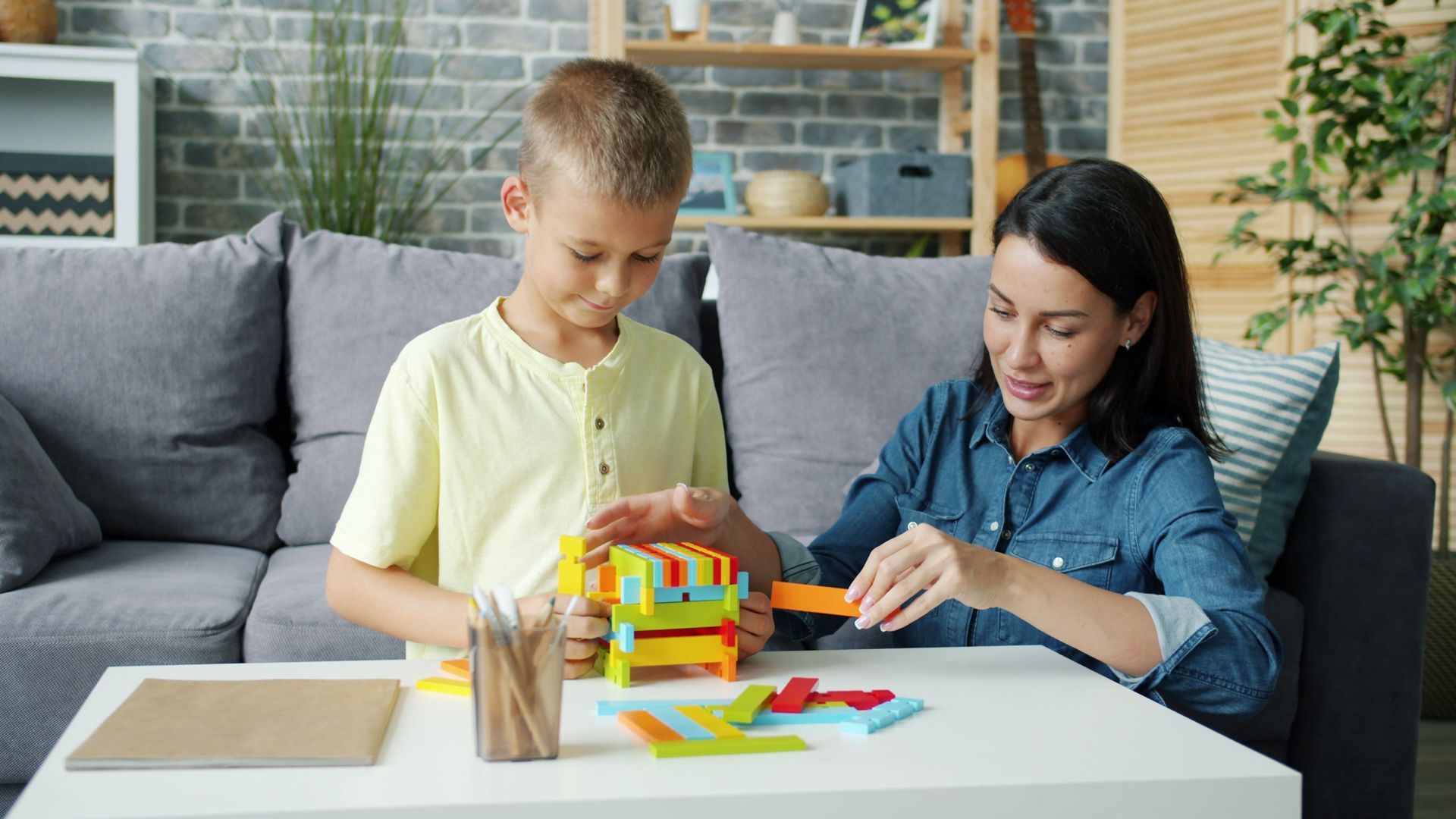
The practical takeaway for parents is this. If your child seems to be avoiding a conversation about their feelings, try inviting them into a game instead. You may find they open up more freely while building a block tower than they ever would sitting across from you at the kitchen table.
What does playful parenting look like in everyday moments?
Playful parenting rarely requires elaborate planning. It shows up in small, repeatable moments woven into an ordinary day. The goal is not to be entertaining around the clock. It is to notice the moments where a little silliness or shared imagination could turn a standoff into a connection.

What does playful parenting look like with toddlers?
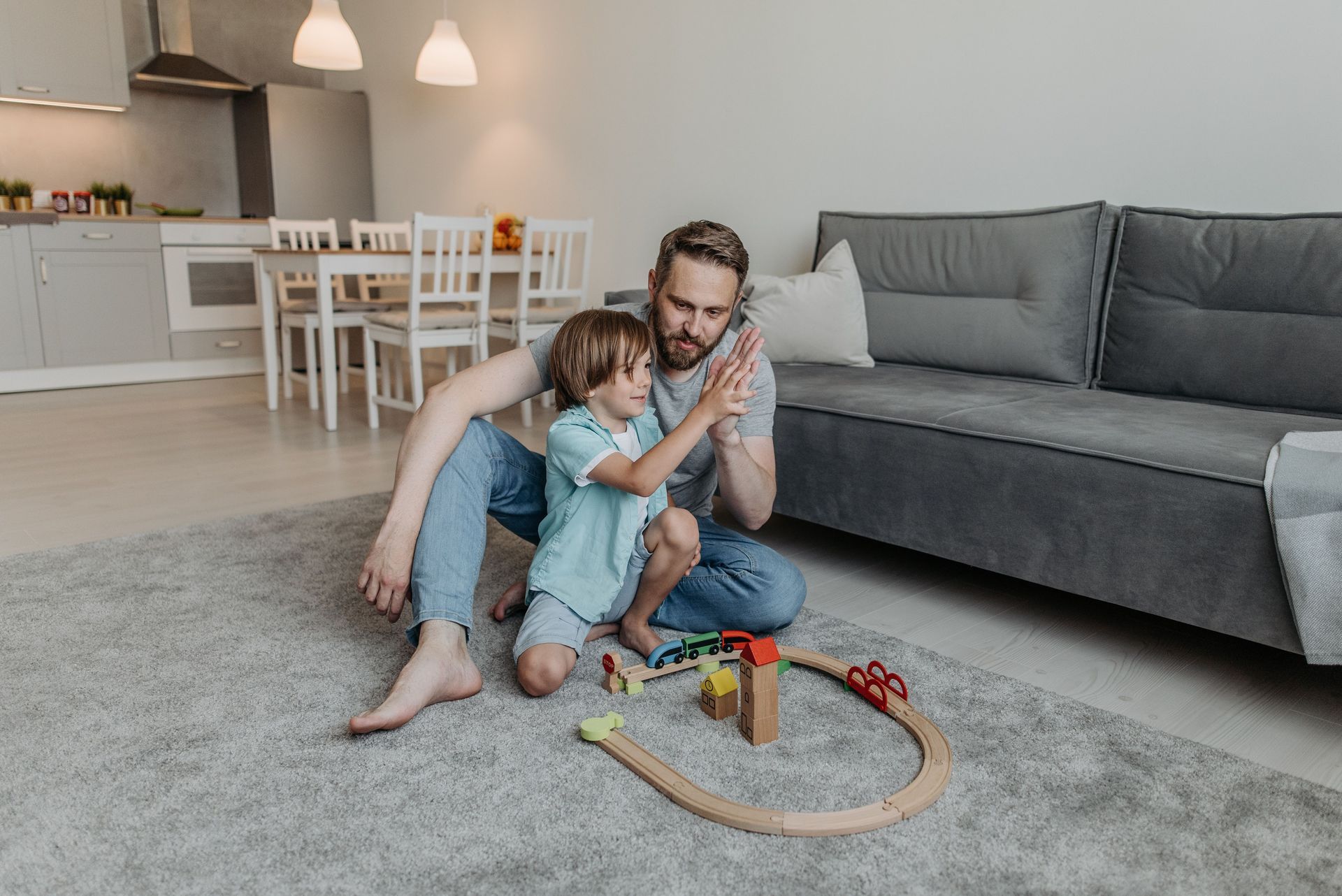
With toddlers, playful parenting often means turning routine tasks into games. Instead of demanding your two year old put on their shoes, you might race them to see who can get one shoe on first, or pretend the shoes are hungry monsters that need feeding with tiny feet. Getting down on the floor at their eye level and following their lead, even for five minutes, communicates safety in a way that words cannot. For a much more detailed collection of activities designed specifically for this age and stage, our guide to 30 play based emotional regulation activities for toddlers walks through specific games built around what neuroscience tells us actually calms a young child's nervous system.
What does playful parenting look like during power struggles?
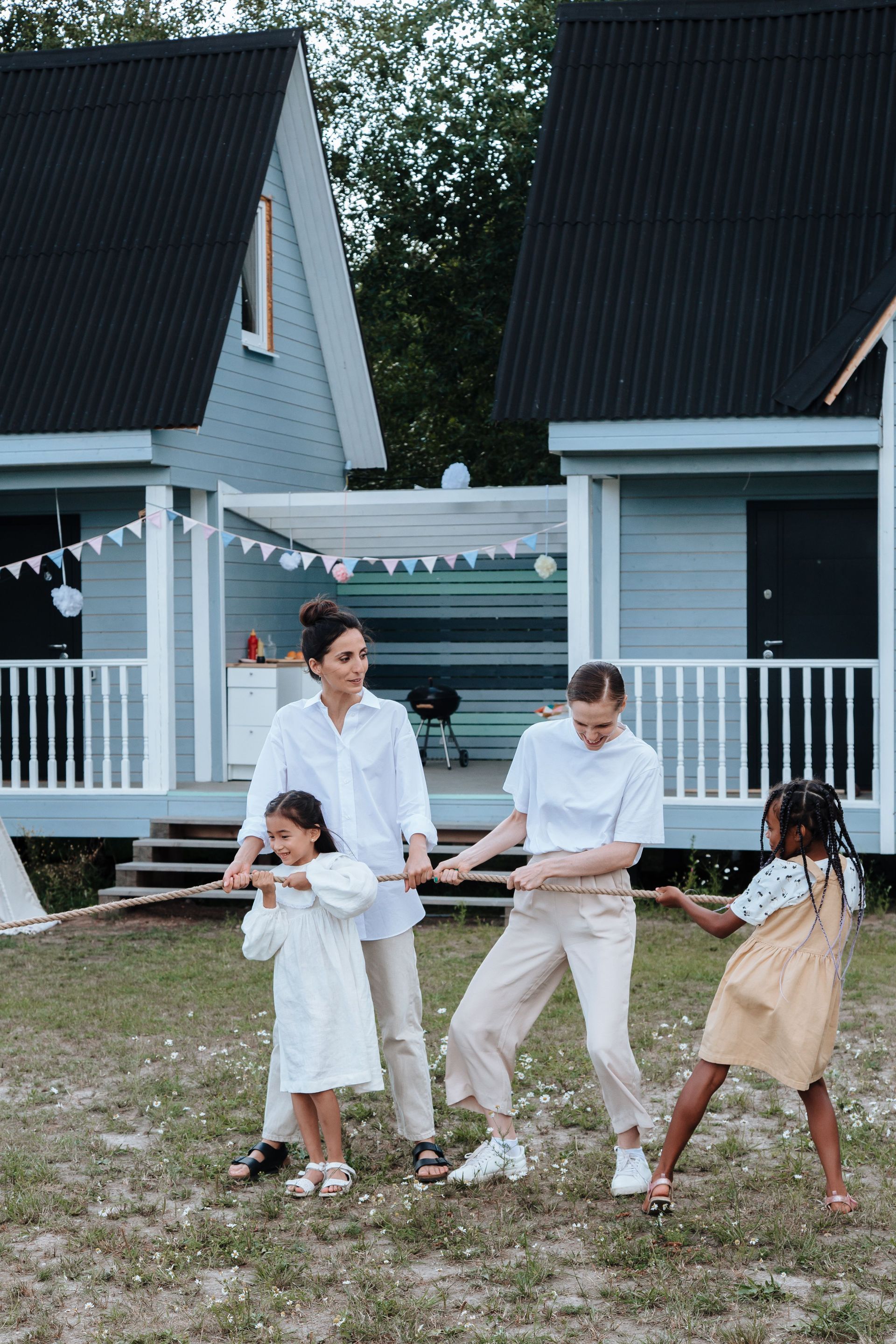
Power struggles often happen because a child feels like they have no control over their own life, which, to be fair, is often true. Playful parenting flips the script by giving them controlled power inside of play. Let your child "boss you around" in a pretend game. Let them win the pillow fight. Ask them to teach you the rules of a made up game rather than the other way around. These small doses of felt power reduce a child's need to fight for control in moments where you actually do need them to listen, like buckling into a car seat or leaving the park.
How do you use playful parenting during a meltdown?
A full blown meltdown is not usually the moment to introduce a brand new game, since a dysregulated child cannot access the part of their brain needed to play along. Playful parenting during a meltdown looks more like staying close, using a calm and even slightly silly tone of voice, and offering small physical comfort rather than a lecture. Once the storm has passed and your child is calmer, that is often the ideal window to use play to process what happened. You might act out the meltdown together with stuffed animals, or ask your child to show you with their body how big the feeling was.
Anger in particular responds well to physical, playful release once a child has calmed enough to engage. Pillow forts that need "defending," a made up game of gentle wrestling, or stomping out big feelings like a dinosaur can all give an angry child somewhere productive to put that energy. We have compiled a full list of ideas in our post on anger management activities if you want a ready made toolkit for the moments after the storm.
Playful parenting versus traditional discipline
Parents often ask us whether playful parenting means giving up on discipline altogether. It does not. Playful parenting and traditional discipline are not opposites so much as different tools for different moments, and most families end up using both. The list below breaks down where each approach tends to shine.
- Playful parenting — child's takeaway: "I am understood and connected to my parent." Parent's role: joining the child's world, following their lead. Best used for: building connection, processing emotions, easing power struggles.
- Traditional discipline — child's takeaway: "There are rules I don't understand." Parent's role: setting rules. Best used for: safety issues.
- Combined approach — child's takeaway: "My parent understands me and I can still trust their limits." Parent's role: holding the boundary while staying warm and playful about it. Best used for: everyday transitions, chores, and most day to day parenting moments.
Most families find the most relief not by choosing one approach over the other, but by learning how to hold a firm boundary in a way that still feels warm and connected. That balance is exactly what we help parents practice in our parent coaching sessions, since it tends to be the hardest part to get right without support.
What if playful parenting doesn't seem to work for your child?
Sometimes parents try playful parenting for a few weeks, see no change, and assume it simply is not for their family. Before writing it off, it helps to consider a few common reasons it might not be clicking yet. Play may be introduced only during meltdowns rather than during calm moments, which does not give a child's nervous system enough practice feeling safe in playful connection before it is needed in a crisis. A child who has experienced significant stress, trauma, or a big life change may need more consistent, longer term support to feel safe enough to play freely again. And some children's emotional or behavioral challenges go deeper than what parenting adjustments alone can address, especially when anxiety, ADHD, or a mood disorder is part of the picture.
If you have tried playful parenting and still feel like you are white knuckling your way through most days, that is not a sign you are failing. It is usually a sign your family could use some additional support and a more personalized plan.
Let's build a more playful, connected home together
If you are exhausted by the daily push and pull with your child and playful parenting on its own has not been enough, you are not doing anything wrong. Some children need a bit more structure and guidance behind the play before real change starts to stick, and that is exactly the kind of support we specialize in.
Our team helps parents move from feeling like they are constantly reacting to feeling equipped with tools that actually work in real, everyday moments. Whether your child needs individual play therapy or you would benefit from a clear framework like our parent coaching groups, we help you build the kind of connection that makes both play and discipline land the way they are meant to.
We serve families across western Kansas, offering online parenting classes and family therapy in Hays, KS, plus the same support for families in Ellis and Norton, so support is available even when your family is spread across rural western Kansas.

Hi! I'm Michelle Holdeman
Licensed clinical social worker and founder of our group therapy practice for kids and teens
I help overwhelmed parents, sensitive kids, and emotionally intense teens move from daily meltdowns to deeper connection—using play-based, trauma-informed therapy that truly works. At New Connections Mental Health, we create space for healing, growth, and lasting change—one session, one family, one feeling at a time.