
Parenting Courses Online: How to Choose One That Actually Helps
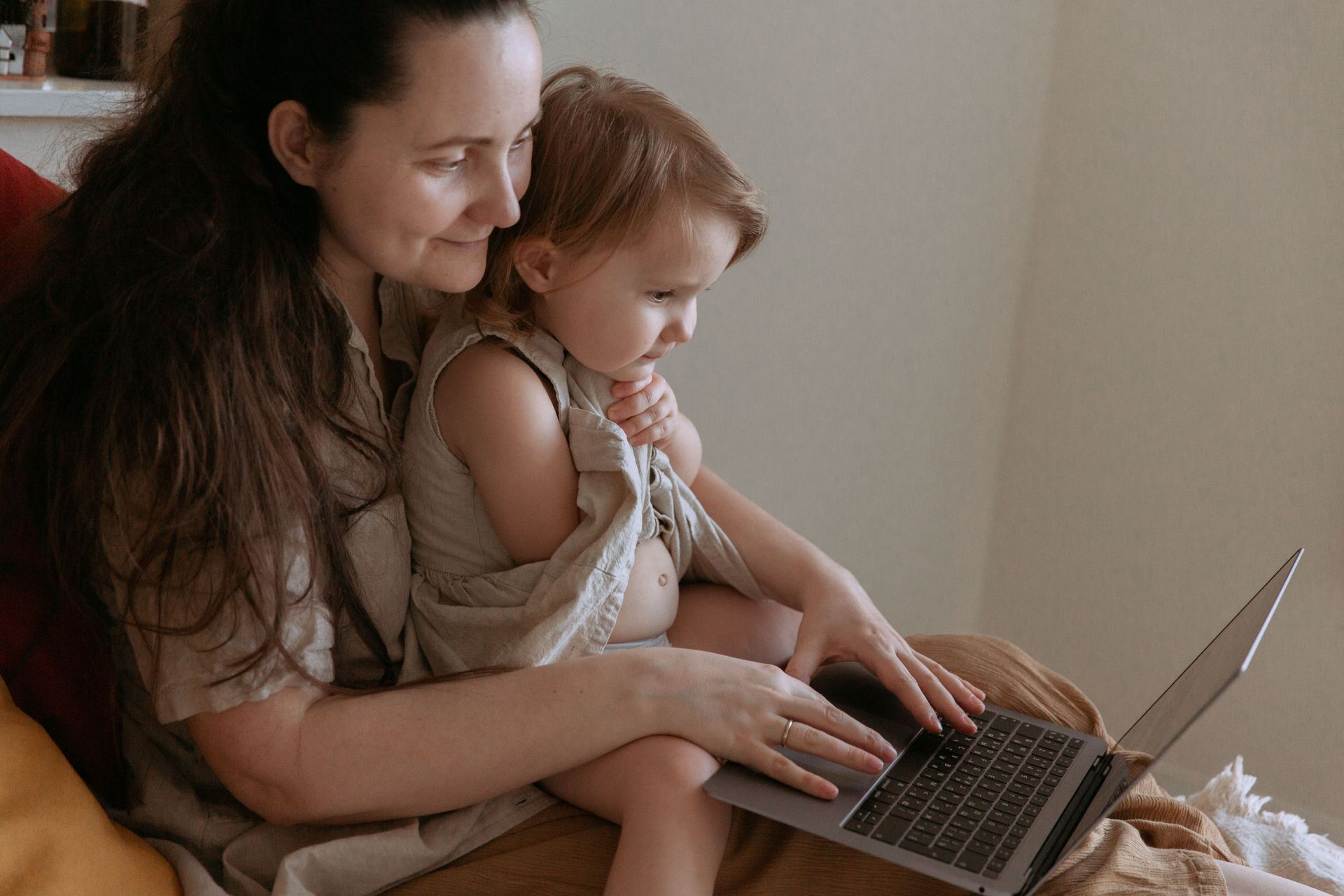
Type "parenting courses online" into a search bar and you will be met with everything from free government modules to slick programs charging a few hundred dollars, court-mandated classes, and self-paced video libraries. The sheer volume is its own problem. When every option promises to transform your family, it becomes almost impossible to tell which ones will genuinely help and which are just well-marketed. The good news is that the research is clear on what separates the two, and once you know what to look for, the choice gets a lot simpler.
Online is not a lesser version of a real parenting course. Well-designed virtual programs produce outcomes comparable to in-person ones. The catch is that quality varies far more online than off, so the same convenience that makes online appealing also makes it easy to waste time on something that does not work.
This guide breaks down whether online courses actually work, the main types available, the truth about free versus paid, whether you need a certificate, and how to spot a course worth your time.
In case you are new here, we're New Connections Mental Health, a team of therapists founded by Michelle Holdeman, and we serve as your parent coaching partner for families. We help parents cut through the noise and find support that fits their actual child rather than a one-size-fits-all curriculum.
Do online parenting courses actually work?
Studies of online and virtual parenting programs have found that they can match in-person results, as long as they include the ingredients that make any parenting education effective. Those ingredients are real skill practice, feedback on how you are doing, and a way to ask questions rather than just consuming content.
The deciding factor is not the screen. It is whether the course is interactive or passive. A live-virtual group where you practice a new response and get coached on it works. A folder of recorded lectures you half-watch while folding laundry does not do much no matter how good the information is. The most common reason parents feel an online course "did not work" is that it asked nothing of them beyond watching, and watching alone rarely changes behavior.
So the honest answer is that online courses work about as well as their design allows. Your job as a buyer is to tell the well-designed ones apart from the rest.
The main types of online parenting courses
Online parenting courses are not all trying to do the same thing, and matching the type to your goal is half the battle. The list below lays out the main categories.
- Free self-paced courses — typical cost: free. Best for: general knowledge and a low-pressure starting point. Certificate: sometimes, quality varies.
- Paid self-paced programs — typical cost: roughly $15 to $150. Best for: structured content from an established method you can work through on your own time. Certificate: usually available.
- Live-virtual or facilitated programs — typical cost: varies, often higher. Best for: parents who want practice, feedback, and a real person guiding them. Certificate: often, depending on the program.
- Court-approved parenting classes — typical cost: roughly $25 to $100. Best for: meeting a specific legal or court requirement. Certificate: yes, this is the point.
- Therapist-led programs — typical cost: varies. Best for: families where a child is struggling and the situation needs clinical insight. Certificate: depends on the provider.
Are free online parenting courses any good?
Some are excellent, and some are worth exactly what you pay for them. Free courses from universities, government family services, and established nonprofits can be genuinely solid, offering research-based information at no cost, which makes them a smart way to start learning. If money is tight, there is no shame in beginning with a reputable free option. A lot of these free modules cover emotional development in broad strokes; our own guide on emotions for kids goes deeper into that specific piece if that is what you are trying to learn.
The limitation of most free courses is that they are informational rather than interactive. They teach you concepts, but they rarely give you feedback or a chance to practice with support, which is where lasting change actually comes from. They also range widely in quality, since anyone can post a free course, so the source matters more than usual. A free course from a known institution is very different from a random video series.
A reasonable path for many families is to use a free course to build foundational knowledge, then invest in something interactive if the situation calls for more. Free is a fine place to start. It is often not enough on its own when a child is genuinely struggling.
Do you need a certificate?
This depends entirely on why you are taking the course. If a court, an attorney, or a child welfare agency has directed you to complete parenting or co-parenting education, then a certificate is the entire point, and the most important thing you can do is confirm that the specific course is approved by your court or jurisdiction before you pay. Not every online class is accepted everywhere, and completing the wrong one is a costly mistake.
If you are taking a course for your own growth, a certificate is largely irrelevant. What matters is whether the course changes what happens in your home, not whether it produces a printable page at the end. Do not let a certificate be the reason you choose a weaker course over a stronger one when no one is requiring the paperwork.
How to spot a quality online parenting course
Once you know a course works only if it is well-built, evaluating your options gets easier. The signals below separate the courses worth your time from the ones that will leave you exactly where you started.
- Green flag: built on a recognized, evidence-based method. Red flag: vague promises with no named approach behind them.
- Green flag: includes practice, feedback, or a way to ask questions. Red flag: nothing but recorded videos and no interaction at all.
- Green flag: created or led by qualified professionals. Red flag: no clear author, credentials, or accountability.
- Green flag: realistic claims about what it can do. Red flag: guarantees of overnight transformation.
- Green flag: tailored to your child's age and needs. Red flag: one generic curriculum meant to fit every family.
What these red flags look like in real life
A course promising that your toddler will stop tantrums completely in three days is making a claim no evidence-based method actually backs up, because behavior change that lasts is built through weeks of repeated, guided practice, not a single weekend. Compare that to a program like child-parent relationship training, which is upfront about running roughly ten weeks precisely because that is how long it takes a new skill to become automatic for a parent and to genuinely stick at home. A course that stays vague about its timeline, its method, or who built it is usually vague on purpose, since specificity is exactly what would let you verify whether the claims actually hold up before you spend your money.
How to choose the right course for your family
Start by getting honest about why you are looking. If you need to satisfy a court, confirmation of approval comes first and everything else is secondary. If you want general knowledge and a gentle start, a reputable free or low-cost self-paced course is a fine fit. But if your child is genuinely struggling, if the same problems keep repeating, or if you have tried the information-only route and nothing changed, that is the signal to choose something interactive and, ideally, guided by a professional. If anger and meltdowns are the specific problem repeating, our anger management activities for kids can give you something to use tonight, whatever course you end up choosing.
The deeper the challenge, the more the human element matters. A self-paced course can teach you what to do, but a live or therapist-led program helps you do it, adjusts to your specific child, and catches the things a video never could.
For families who want that kind of guided, relationship-focused support rather than a passive video library, our online parenting classes are built to do exactly that, with the convenience of online and the accountability of a real therapist.
Start now with our evidence-based parenting course to improve your relationship with your kids
We serve families across western Kansas, offering online parenting classes and family therapy in Hays, KS, plus the same course for parents in Salina and Ellis, so you get real, personal support without leaving home.

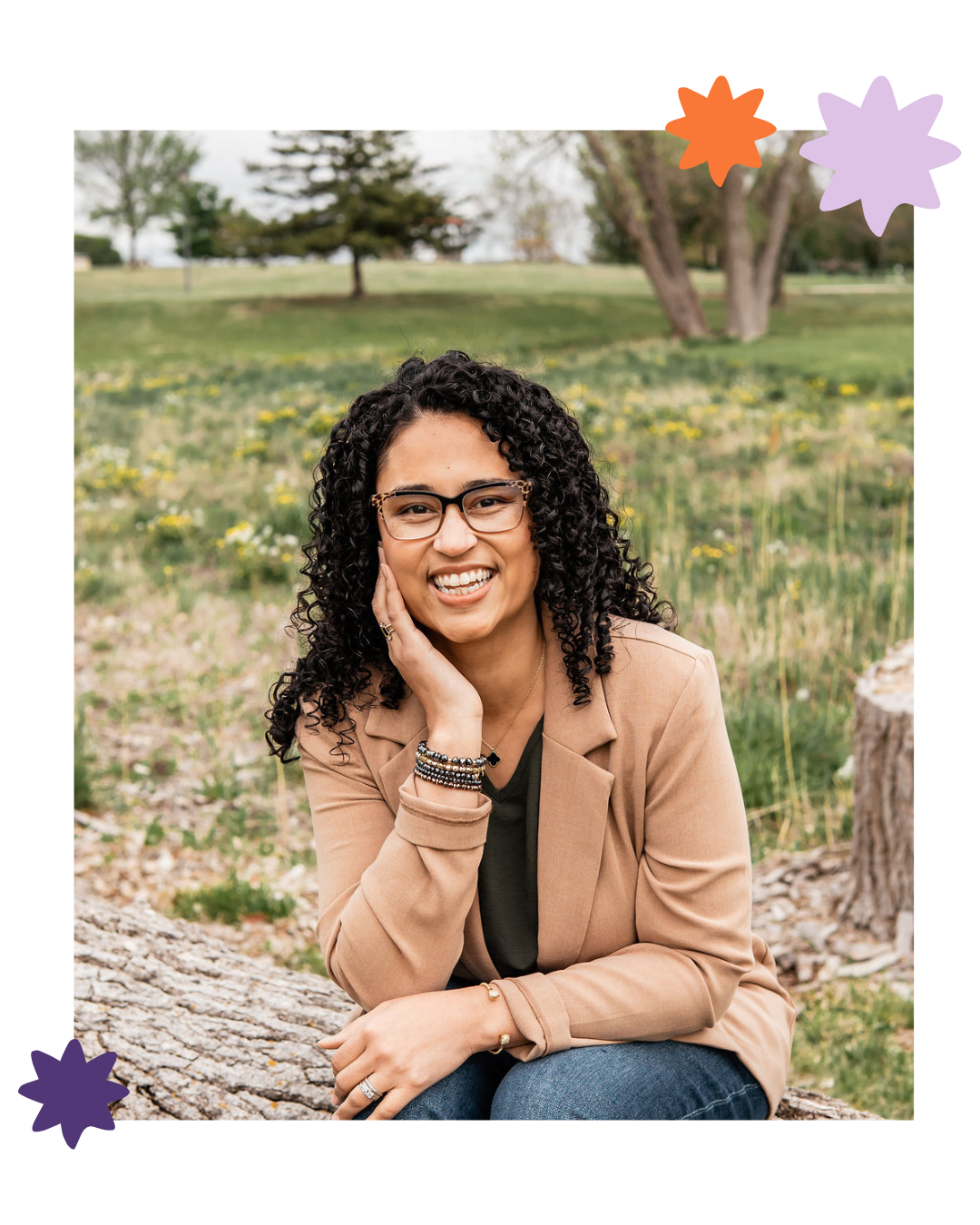
Hi! I'm Michelle Holdeman
Licensed clinical social worker and founder of our group therapy practice for kids and teens
I help overwhelmed parents, sensitive kids, and emotionally intense teens move from daily meltdowns to deeper connection—using play-based, trauma-informed therapy that truly works. At New Connections Mental Health, we create space for healing, growth, and lasting change—one session, one family, one feeling at a time.